
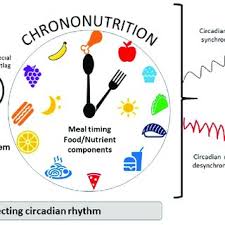
We tend to spend a lot of time thinking about what’s best to eat, but what about when is best to dig in? In other words, we often focus on what foods are healthy, but we rarely think about the best time to eat them. Scientists are now studying whether eating at times that match your body’s natural biological clock can improve:
- your energy levels
- your metabolism (how your body processes food)
- your overall health
Today, let’s take a few minutes to look at what chrononutrition is, why your circadian rhythm influences how your body processes food, and some simple ways to eat more in tune with your natural rhythms.
Chrononutrition is the science of eating in sync with your body’s internal clock. Your body runs on a 24-hour cycle called the circadian rhythm, and it doesn’t just regulate sleep. It also controls when your metabolism is most active and how efficiently you digest food.
In the morning, insulin sensitivity is higher, and your body processes glucose more effectively. In the evening, as melatonin rises, digestion slows down. Chrononutrition aims to align your meals with these rhythms and is linked to better blood sugar regulation, weight management, and healthy aging.
Here are a few steps to start:
-Eat breakfast within 1 to 2 hours of waking. This may help stabilize blood sugar early.
-Front-load your calories. Aim for the bulk of your intake by lunchtime, when metabolism is most active.
-Eat an earlier and lighter dinner. Finish your major meal at least 2 to 3 hours before bed.
-Stay consistent. Eating at roughly the same times each day reinforces your circadian rhythm.
– Limit late-night snacking. If you’re hungry, keep it small and protein-rich.
Chrononutrition is a framework for organizing your eating, not a strict diet. Even small shifts, like a fortifying breakfast and a lighter dinner, can make a difference. That said, it’s still a developing field with no one-size-fits-all answer.
