
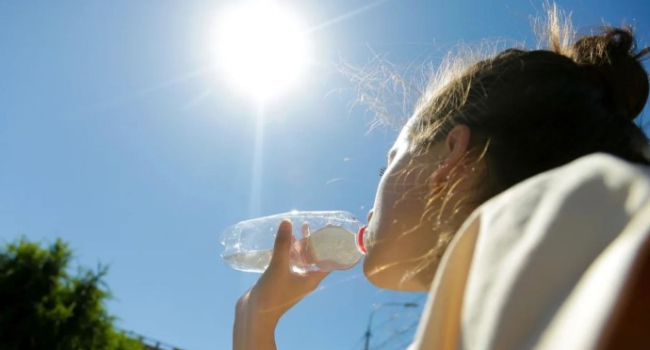
During periods of intense heat, many people experience a noticeable loss of appetite, and even the thought of a hot meal can seem unappealing. This is not simply a matter of preference but the result of the body’s complex thermoregulatory system, which shifts resources toward cooling rather than digestion as temperatures rise, according to The Conversation.
The body’s primary objective is to maintain an internal temperature of around 37°C (98.6°F). This process is controlled by the hypothalamus, the brain’s thermoregulatory center. When the body begins to overheat, cooling mechanisms are activated, including increased sweating, changes in blood flow distribution, and a reduction in activities that generate additional heat.
In hot weather, blood is redirected toward the skin to help release heat into the environment. As a result, less blood is available for the gastrointestinal tract. Under normal circumstances, a significant portion of blood flow is directed to the digestive system after eating to support digestion and nutrient absorption. When blood flow to the digestive system is reduced, digestion slows down and appetite naturally declines.
Another factor is the energy cost of digestion itself. Digesting, absorbing, and transporting nutrients generate heat. During periods of overheating, the body attempts to minimize any process that could further increase its internal temperature, leading to a reduction in digestive activity.
Hormonal regulation also plays a role. The balance between hunger and satiety is influenced by hormones such as ghrelin, which stimulates appetite, and leptin, peptide YY (PYY), and glucagon-like peptide-1 (GLP-1), which promote feelings of fullness. Research suggests that heat exposure may reduce ghrelin levels while enhancing satiety signals, although these effects are not entirely consistent and do not fully explain the decrease in appetite.
The close relationship between hunger and thirst is another important factor. Both sensations are regulated by the hypothalamus and can easily be confused. In high temperatures, the body loses more fluid through sweating, increasing the need for hydration. As a result, the brain prioritizes fluid replenishment over food intake, further suppressing appetite.
In addition, dehydration and overheating can slow stomach emptying, creating a sensation of fullness and heaviness after eating. This can reduce the desire to consume large meals.
In essence, the body shifts its priorities during hot weather: cooling becomes more important than digestion. The resulting decrease in appetite is not a malfunction but an adaptive physiological response.
Nevertheless, adequate nutrition remains important. During hot weather, lighter, water-rich foods such as fruits, vegetables, yogurt, and other dairy products are often better tolerated. Eating smaller meals throughout the day can help maintain energy levels without generating excessive heat.
Proper hydration and electrolyte replacement are also essential, particularly when sweating is excessive. Protein should not be eliminated from the diet, but it may be easier to consume in smaller portions throughout the day. Overall, lighter meals typical of a Mediterranean-style diet tend to align well with the body’s physiological needs during periods of extreme heat.
