
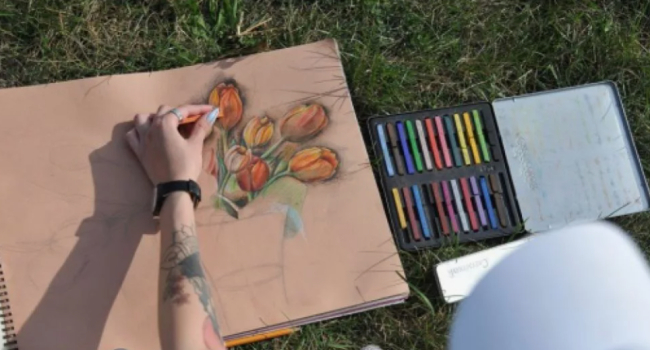
Taking part in art and cultural activities may help slow biological aging, according to a new study by researchers at University College London. The findings, published in the journal Innovation in Aging, suggest that creative engagement could be as beneficial for healthy aging as physical exercise.
The study analyzed data from 3,556 adults in the UK. Researchers used blood samples to measure aging-related epigenetic changes in DNA and compared participants’ biological ages with how often they engaged in cultural activities.
Activities included singing, dancing, painting, crafting, reading, visiting museums, libraries, and heritage sites, as well as attending art exhibitions or performances.
The results showed that people who participated in cultural activities once a month had a biological age approximately 0.8 years younger than those who rarely took part. Weekly participation was linked to an even greater difference, with biological age measuring about one year younger.
Lead researcher Daisy Fancourt, head of the Social Biobehavioral Research Group at University College London, said the benefits were strongest among people who regularly engaged in a variety of creative activities rather than just one type.
According to the researchers, different forms of art influence the body and mind in different ways, affecting emotional well-being, cognitive function, and physiological health.
The study also found that the connection between engagement in the arts and slower biological aging becomes more significant with age.
Researchers concluded that creative activities should be considered part of public health strategies alongside recommendations for exercise and healthy nutrition. They argue that regular participation in the arts and cultural activities should be viewed not as a luxury, but as an important health-promoting habit.
The project is part of a seven-year research program funded by Wellcome and aimed at studying the biological and global health effects of artistic engagement.
