
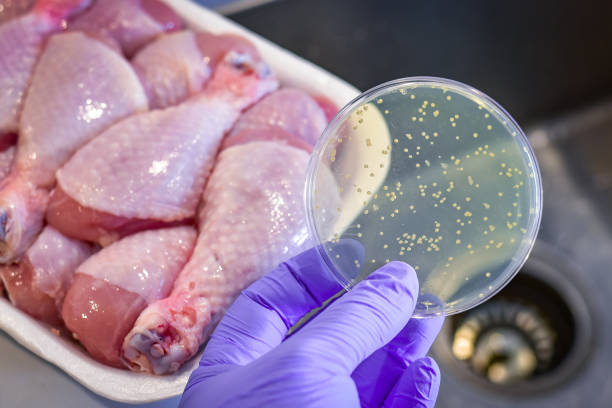
Food poisoning is a common illness that can affect anyone, but understanding its causes and knowing how to prevent it can significantly reduce the risk of infection. Health experts are also urging the public to pay closer attention to food safety as the United States investigates an ongoing multistate outbreak of cyclosporiasis, a parasitic disease linked to contaminated food.
Dr. Poonam Bai, an infectious disease specialist at Penn State Health and an assistant professor at Penn State College of Medicine, explains how foodborne illnesses develop, which symptoms to watch for, and when to seek medical care.
What are foodborne illnesses?
Foodborne illnesses, commonly known as food poisoning, differ from viral stomach infections, although they often cause similar symptoms. They occur after consuming food contaminated with bacteria, viruses, parasites, or toxins produced by harmful microorganisms.
Fresh leafy vegetables are among the foods most commonly linked to foodborne outbreaks. The current cyclosporiasis outbreak has been associated with contaminated shredded iceberg lettuce.
However, contaminated meat and poultry remain the leading causes of fatal foodborne infections. Improper food handling, inadequate cooking, cross-contamination, and improper refrigeration all increase the risk of infection.
What are the symptoms?
According to Dr. Bai, food poisoning generally falls into two main categories.
The first results from toxins already present in contaminated food. Symptoms such as nausea, vomiting, and diarrhea typically begin within a few hours after eating and usually resolve within about 24 hours. Most people recover with rest and adequate fluid intake. However, immediate medical attention is recommended if severe abdominal pain, high fever, bloody diarrhea, or significant dehydration develops.
The second category is caused by infectious organisms such as viruses, parasites—including Cyclospora—or bacteria such as Salmonella, Shigella, and Escherichia coli. These infections often cause more severe illness, including bloody diarrhea and intense abdominal pain, and may require antibiotic treatment.
Cyclospora infection most commonly causes prolonged watery diarrhea, abdominal cramps, bloating, nausea, fatigue, and unintentional weight loss.
How can food poisoning be prevented?
Good hand hygiene remains one of the most effective ways to prevent foodborne illness. Experts recommend washing hands thoroughly before preparing food, cooking food to safe temperatures, and promptly refrigerating perishable items.
Dr. Bai emphasizes that hot foods should be kept hot and cold foods should be kept cold throughout storage and serving.
Contaminated food often looks and smells completely normal, making proper food handling essential. Washing fresh fruits and vegetables cannot eliminate all harmful microorganisms, but it can reduce the risk of infection.
Health officials have recalled the lettuce linked to the current cyclosporiasis outbreak and continue to investigate whether other food products may also be involved.
What should you do if you develop food poisoning?
For most mild cases of food poisoning, supportive care is sufficient. Staying well hydrated by drinking water or electrolyte-containing beverages in small amounts, eating bland foods such as crackers, rice, bananas, or toast, and getting adequate rest usually allow symptoms to resolve naturally.
If cyclosporiasis is suspected—particularly after eating fresh produce or restaurant salads—and watery diarrhea persists, medical evaluation is recommended. Symptoms typically develop one to two weeks after consuming contaminated food, and the diagnosis can be confirmed with a stool test.
Once diagnosed, cyclosporiasis is usually treated with a 10- to 14-day course of the antibiotic combination trimethoprim-sulfamethoxazole. Alternative medications are available for patients who cannot take this antibiotic.
Medical attention should also be sought immediately if food poisoning causes bloody diarrhea, a persistent fever, severe or prolonged vomiting, intense abdominal pain, or signs of dehydration.
