
Rethinking aging: Why ‘healthspan’ matters as much as lifespan

Mayo Clinic physicians are working hard to change how clinicians and patients think about aging. A new publication in Mayo Clinic Proceedings outlines a new framework for “healthspan” — the years of life spent in good health, with preserved function, cognition and independence. The paper, coauthored by Christina Chen, M.D., a Mayo Clinic physician in internal medicine and…

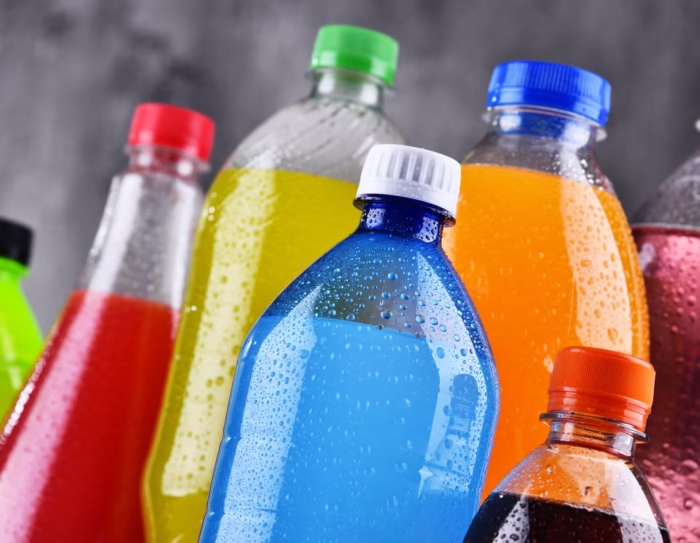
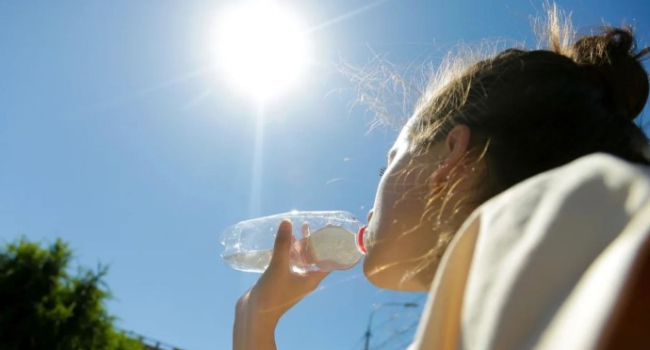
Drinking Sugar-Sweetened Beverages in Hot Weather May Increase the Risk of Stroke and Cardiovascular Disease

During hot weather, the body loses more water through sweating as it works to stay cool. Even mild dehydration can trigger thirst, making you want to reach for a drink more often than usual. In addition, heat increases the body’s need for fluids and electrolytes, especially during outdoor activities or exercise. Choosing water as your…

Prebiotics and Probiotics: What’s the Difference?

The human gastrointestinal tract houses roughly 100 trillion microorganisms (good bacteria). These microorganisms make up what’s called the gut microbiome. These good bacteria fight off bad bacteria to help keep our intestinal tract healthy. Probiotics: Promoting digestion, benefiting health Probiotics are living organisms, also known as microbes. They’re primarily bacteria and yeast whose main role…

Breakthrough in Cancer Research: Disabling a Single Gene Makes Tumors Visible to the Immune System

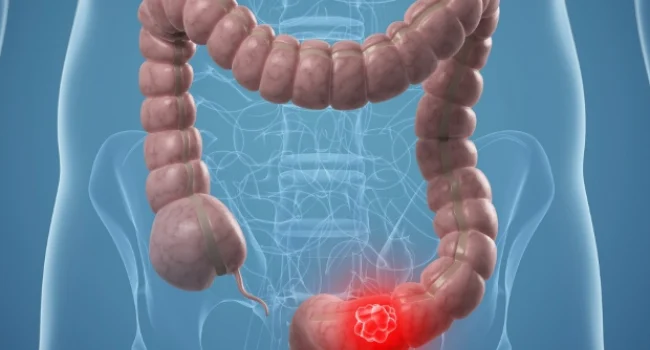
Researchers at the University of Calgary have reported what could be a major breakthrough in the treatment of colorectal cancer: removing a single gene may render tumor cells visible to the immune system and dramatically improve the effectiveness of immunotherapy. The study, published in the journal Cell Reports Medicine, was led by Dr. Arshad Ayyaz…